

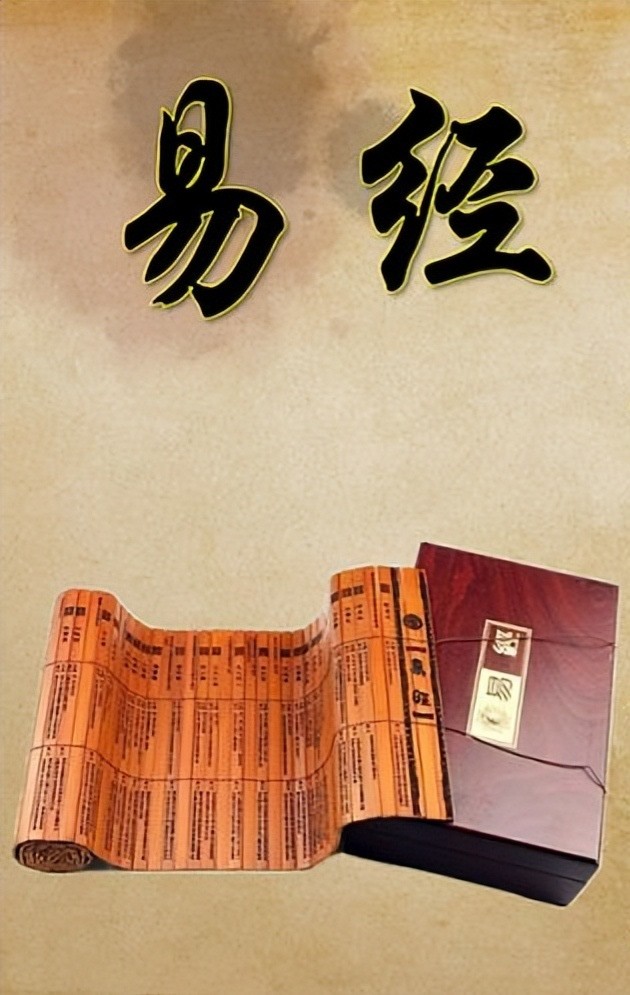
Within the Plum Blossom Numerology system, the four elements of "Image, Number, Principle, and Divination" can actually be viewed separately: Image, Number, and Principle form a unified whole, forming its theoretical foundation; Divination, on the other hand, is the practical skill of applying this theory to deduce good and bad fortune. The two are interdependent, sharing a common origin, yet their essence differs in theoretical framework and practical application. Let's examine this distinction using ancient texts. The *Zhouyi* (Book of Changes) states, "Extending to the ultimate numbers, one thus determines the images of the world." It also says, "That which is above form is called the Way; that which is below form is called the instrument." This already encompasses two levels: theory (Way, Image, Number) and practice (Instrument, Divination). Plum Blossom Numerology follows this lineage, taking number as its foundation, image as its manifestation, principle as its guiding principle, and divination as its application. Shao Yong's *Huangji Jingshi* states, "Those who deduce numbers must rely on principle; those who extract images must return to divination." Principle is the pivot of image and number, while divination is the application of image and number. The three elements of image, number, and principle are interconnected and inseparable: number determines image, image reveals principle, and principle leads to accurate divination. Therefore, at the theoretical level, the three are an organic whole. Looking at the origins of the *Plum Blossom Divination*, its hexagram formation relies on numbers, the hexagram formation reveals images, the analysis of the hexagram clarifies principles, and ultimately, it leads to divination. Shao Yong said, "The wonder of the *I Ching* lies in image, number, principle, and divination, which are interconnected." This "connection" does not mean that the four are parallel and indistinguishable, but rather that image, number, and principle form the essence, and divination is the application. For example, in medicine, Yin and Yang, the Five Elements, and the internal organs and meridians form the theory, while diagnosis and prescription are the practice. Without theory, divination is like a tree without roots; without divination, theory hangs in the air and has no verification. Song dynasty policy essays also emphasized this point, stating, "Only after understanding the principle can one examine the numbers, and only after understanding the image can one judge the matter." Furthermore, the Plum Blossom Divination particularly emphasizes the "three essentials" and "ten responses," its profound meaning lying in observing images and interpreting words, examining numbers and reasoning, and then understanding good and bad fortune. This process clearly demonstrates that theory (images, numbers, and principles) precedes divination, with divination serving as the final step. Therefore, the *Yijing* (Book of Changes) states, "Observe the images and attach explanations; the sages follow this," meaning that the principles of images and numbers are established first, followed by divination. Plum Blossom Divination can be divided into a theoretical part (images, numbers, and principles) and a practical part (divination). Theory is like the making of a bow and arrow, practice is like drawing the bow and releasing the arrow; theory is like the pitch of musical instruments, practice is like playing music. Although the two complement each other, their order of importance, function, and application are clearly discernible. Scholars who understand this can trace divination back to the principles, understand the images through the principles, reach the numbers through the images, and then use the numbers to verify the divination, cyclically elucidating and thus entering the subtle realm of Plum Blossom Divination.
 331246天前
 易弘陽
易弘陽














Comments 0