

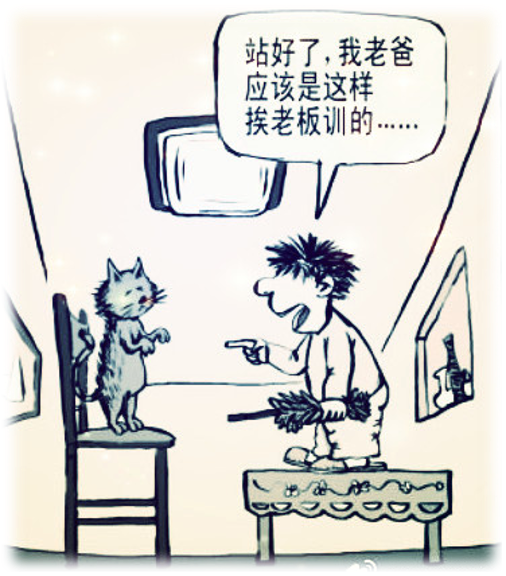
I. Core Definition: Negative emotions are transmitted downwards along a hierarchy of strength and weakness, displaced onto the weaker party, creating a vicious cycle. Essentially, it's a combination of vicarious aggression and emotional contagion. Classic Origin Story: Boss scolds employee → employee goes home and scolds child → child kicks cat → cat, startled, runs away and causes a car accident, with the weakest cat becoming the ultimate victim. II. Psychological Principles (Why It Happens) 1. Self-Preservation Instinct: Afraid to vent anger on the source of the emotion (leader, powerful figure) and fearing the consequences, they seek release on safe, defenseless targets (family, children, pets, subordinates). 2. Psychological Defense Mechanism (Displacement): Transferring dissatisfaction with A to B provides short-term stress relief but creates new conflicts in the long term. 3. Emotional Contagion: Negative emotions are more contagious than positive emotions, spreading like dominoes. 4. Power/Status Difference: Emotions always flow from the top to the bottom of the pyramid; the weakest are most likely to become "emotional dumping grounds." III. Common Scenarios in Life - Workplace: Leader → Employee → Intern/Newcomer - Family: Parents → Child → Pet/Siblings - Public: Being cut in line/harassed → Taking out anger on waiters, passersby, family members IV. Harms - Damages close relationships and workplace atmosphere, creating internal friction - Emotions amplify layer by layer, turning small things into big things, even causing conflicts/accidents - Harms innocent people, and you will also fall into a cycle of guilt and emotions V. 3 Steps to Stop the "Kick the Cat" Effect (Immediately Applicable) 1. Awareness: First, stop. When emotions run high, ask yourself: Is my current anger really caused by this person/thing in front of me? Or is it because I haven't processed the grievances from before? Pause for 30 seconds and do not react impulsively. 2. Distraction: First, relieve pressure (use attention diversion) - Leave the scene, take deep breaths, drink water, walk briskly, exercise - Do 5-4-3-2-1 grounding (see 5 things, touch 4 things, hear 3 sounds, smell 2 odors, taste 1 odor) - Write an emotional diary, confide in others, and don't take your anger out on others. 3. Expression: Confront the source (don't bottle it up, don't transfer it). Use nonviolent communication: State your feelings + state the facts + state your needs, don't make accusations. Example: "I feel very wronged today because I was criticized (feelings), it's not that you did anything wrong (facts), I need to be alone for 10 minutes (needs)."
 239163天前
 初陽
初陽














Comments 0