

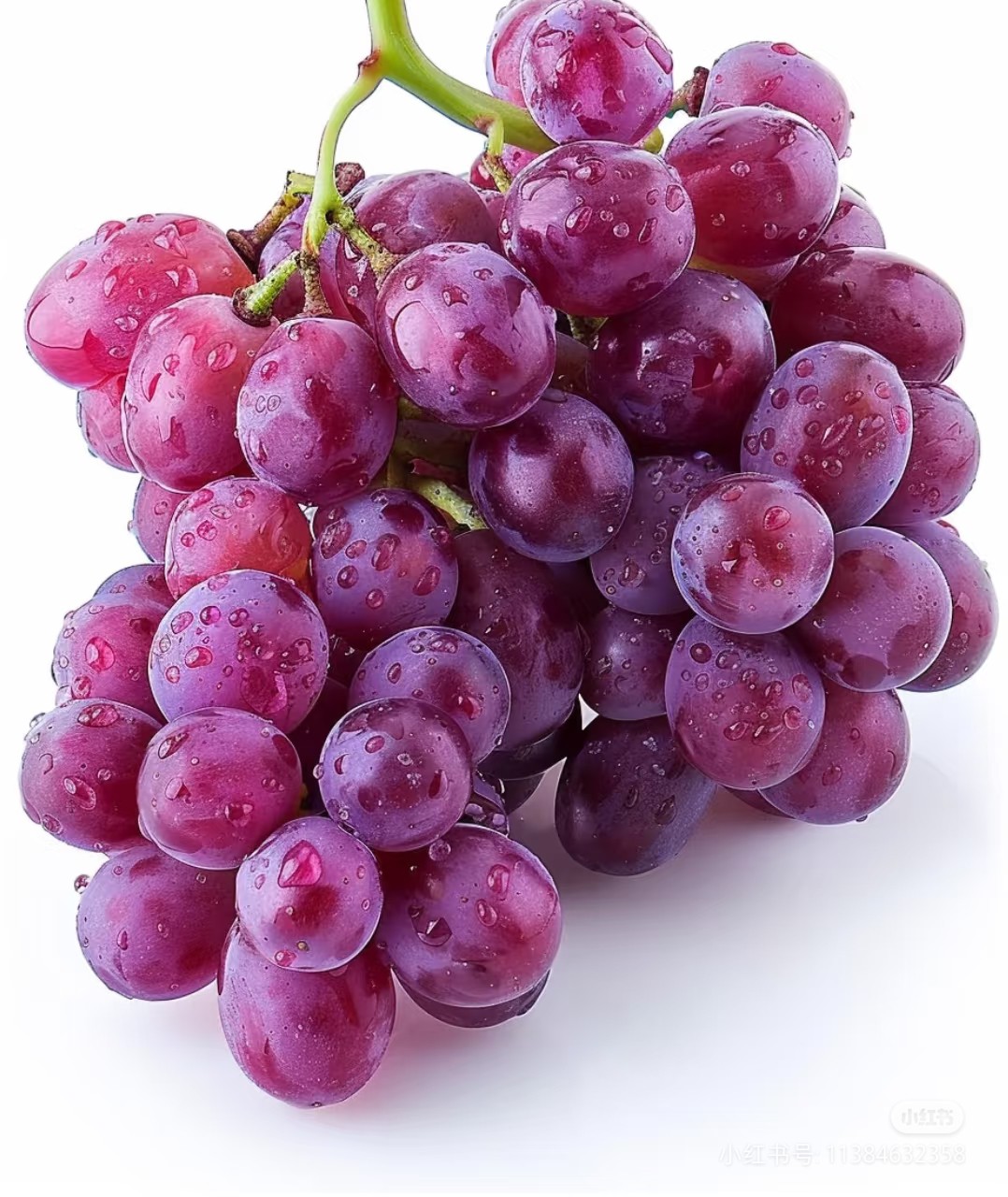
Both are psychological defense mechanisms used for self-comfort, alleviating psychological gaps, and reducing inner pain. I. Sour Grapes Effect 1. Core Meaning: Deliberately belittling and denying what one cannot obtain or reach, thereby eliminating desire and balancing one's mindset. 2. Origin: Aesop's Fable: The fox, unable to reach the grapes, said, "These grapes are sour, they're not tasty at all." 3. Common Examples: - If you can't afford brand-name items, you say, "They're too expensive and not worth it, it's all a waste of money." - If you don't get into your ideal school, you say, "That school's atmosphere is so-so, it's useless to go there." 4. Essentially, unattainable → belittling the other party. II. Sweet Lemon Effect 1. Core Meaning: Forcibly beautifying and rationalizing undesirable things one already possesses and cannot change, convincing oneself that they are good. 2. Origin: Fable: The fox, unable to eat the grapes, only ate sour lemons, and comforted himself, "These lemons are sweet and nutritious." 3. Common Examples - Buying the wrong small apartment and comforting yourself: "Small apartments are cozy, easy to clean, and less stressful." - Choosing the wrong major/job and convincing yourself: "Every profession has its advantages; stability is the most important." 4. Poor inherent possession → Beautifying oneself III. Comparison of the two (super easy to remember) - Sour grapes: If you can't get it, you complain it's bad (external belittling) - Sweet lemons: If you can't get it, you say it's good (internal self-consistency)
 234147天前
 初陽
初陽














Comments 0